Trap Neuter Return
Limited in 2026, the Nova Scotia SPCA will work with rescue and community groups to fill six TNR sessions. This program will continue to be offered free of charge to these organizations.
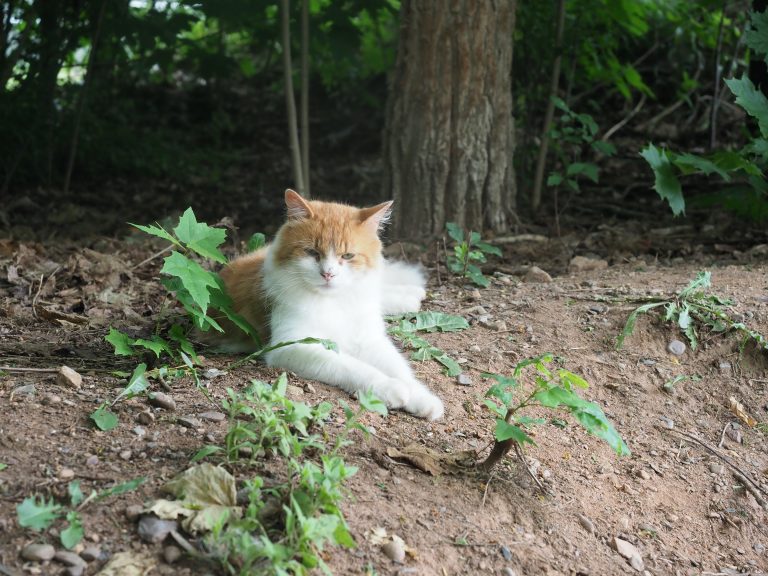
The Trap, Neuter, Return (TNR) program improves the lives of feral cats while benefiting local communities. Through humane trapping, spaying or neutering, and returning cats to their colonies or suitable barn homes, the program helps reduce unwanted litters, neighbourhood nuisances, and feral cat populations over time. Friendly cats and young kittens are brought into SPCA care to find loving homes.
How you can help
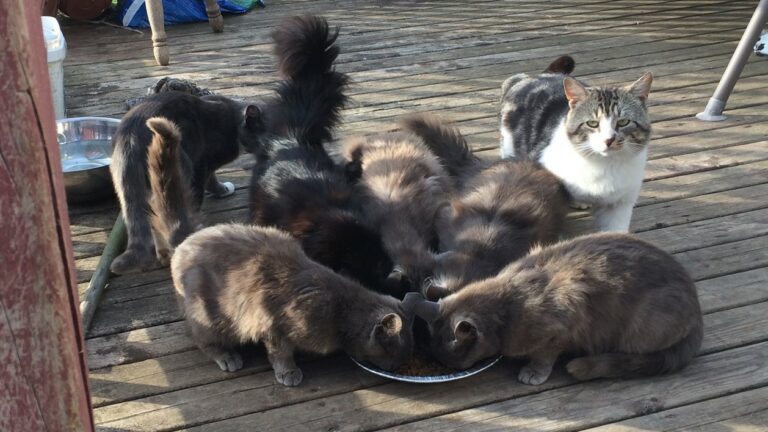
Care for a cat colony
Already care for feral cats? Contact us for advice and support.
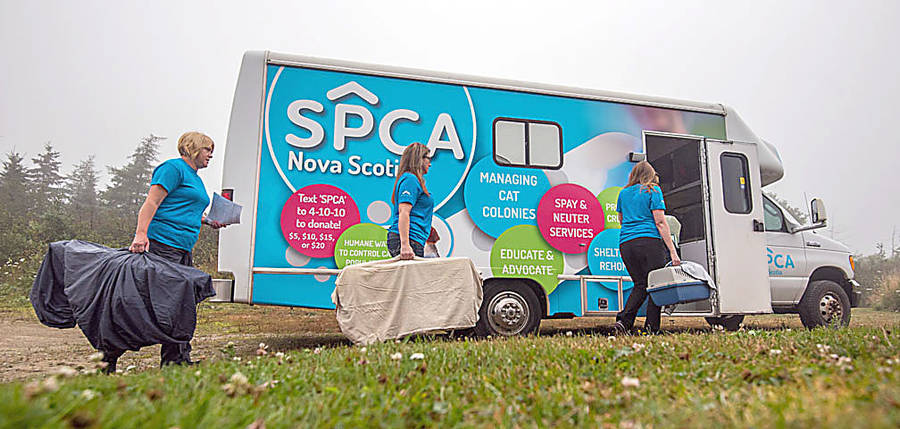
Volunteer
Help with trapping, transporting, and caring for cats while they recover from surgery.
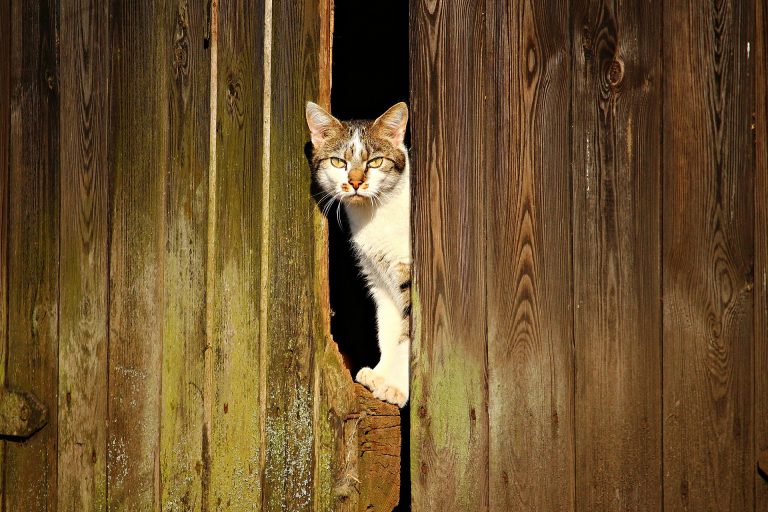
Provide a barn home
Offer a safe, working home for cats who cannot return to their original colony.
Why are feral cats returned?
Returning sterilized cats to their colonies helps prevent new cats from moving in and allows populations to decline naturally over time.
Withholding food isn’t a solution to prevent breeding, so residents interested in feeding or managing colonies are encouraged to contact catcolony@spcans.ca for guidance and support.
Young kittens that can be socialized are brought into care for adoption.
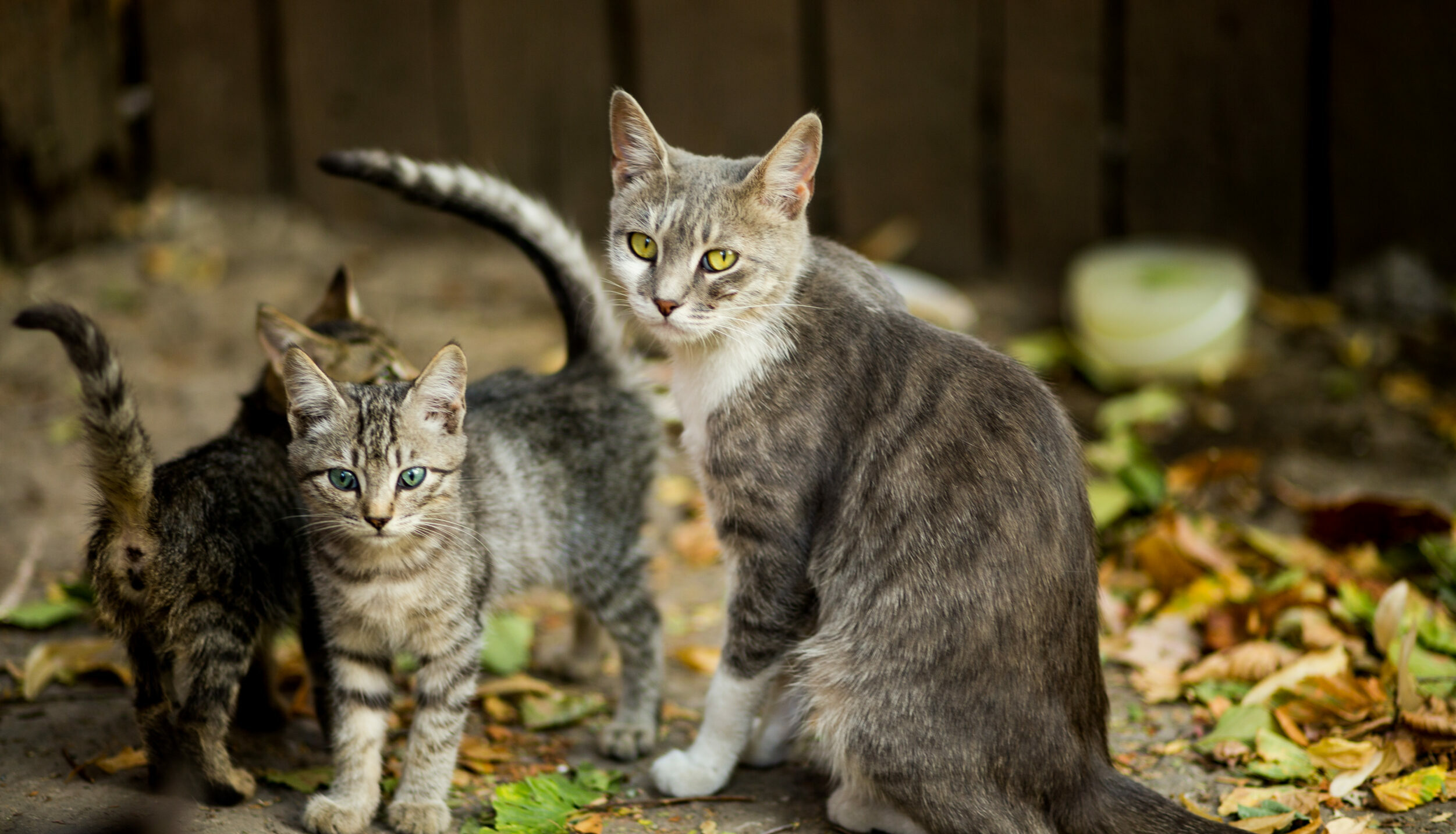
What is ear-tipping?
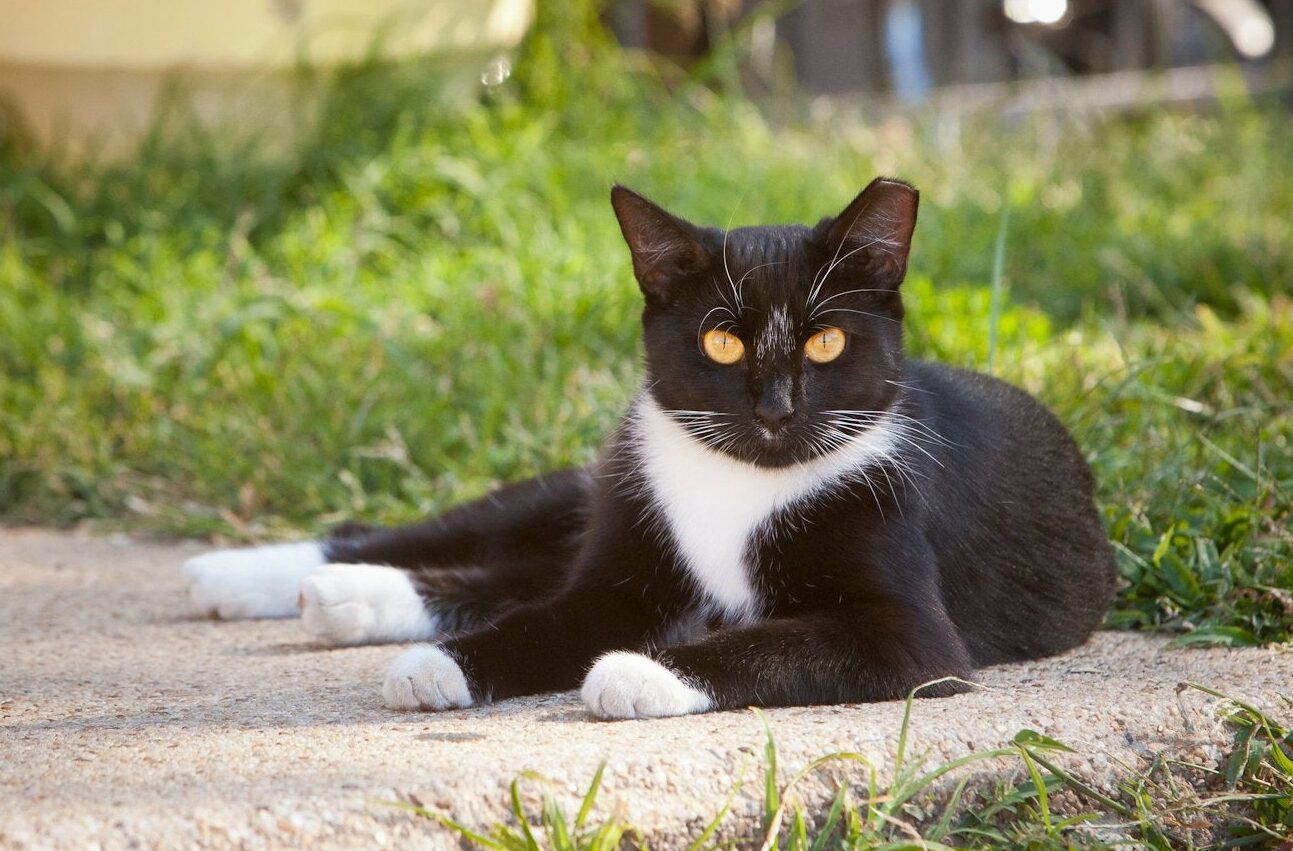
Ear-tipping is a safe, widely recognized method of identifying spayed or neutered community cats. The procedure involves removing a small portion (approximately 1 cm) of the left ear while the cat is under anesthesia for surgery. It causes minimal discomfort and does not significantly alter the cat’s appearance.
Because feral cats are often difficult to approach, this visible marker allows caregivers, veterinarians, and animal control personnel to identify sterilized cats from a distance, preventing unnecessary trapping and repeat surgery.
Report a cat colony
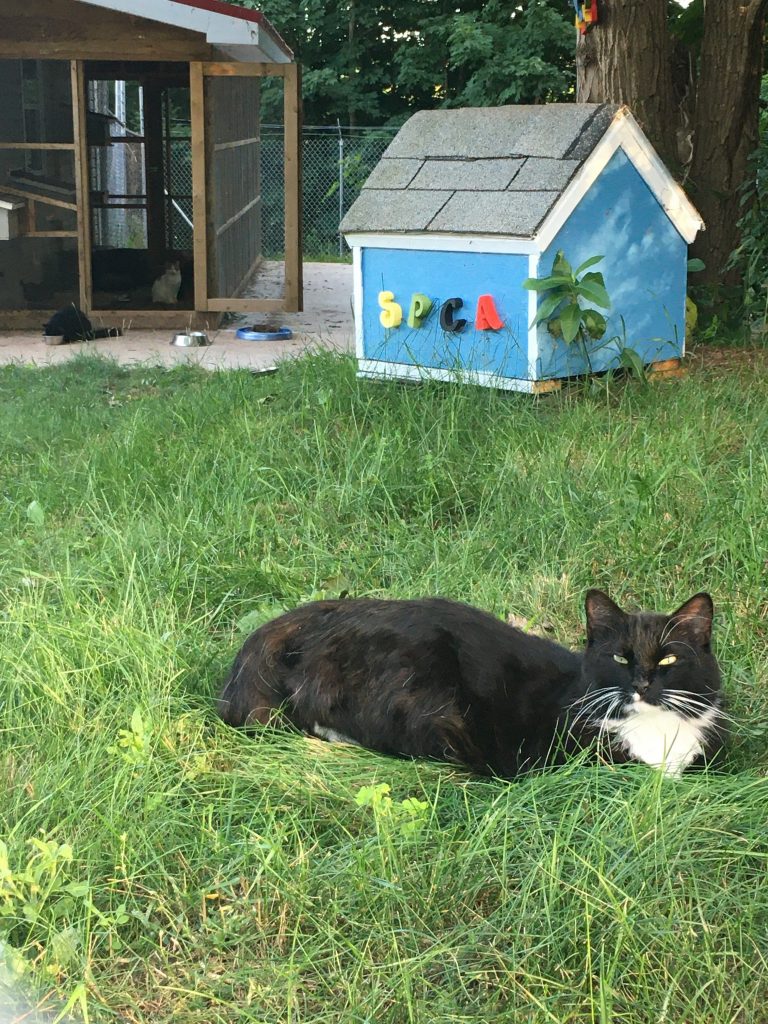
Request services of the SPCA Mobile Spay/Neuter Clinic or in HRM the services of the Halifax TNR project, at no cost to you the caretaker, with this form.